




Corporate Affairs Commission to Cease Annual General Meetings By Proxies
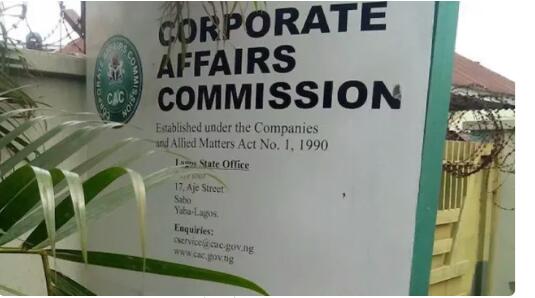
Sequel to the guidelines on the use of proxies by public companies holding their Annual General Meetings (AGMs), Alhaji Garba Abubakar, the corporate Affairs Commission Registrar -General has said that, the guidelines over the use of proxies by public companies would cease to exist effective Dec 31, 2022.
Abubakar made this known at a one-day Independent Shareholders Association of Nigeria (ISAN) dialogue which was held on Thursday, in Lagos. At the event which had the theme: CAC Guidelines on proxies AGMs of Public Companies Post Covid-19; “Matters Arising”, Mr Abubakar was represented by Mr Tolu Sonaike, the Assistant Director, RGs Office, CAC.
He noted that companies were given approval to hold AGMs using proxies so as to address particular concern during the Covid-19 pandemic. Therefore, according to Abubakar, the situation surrounding the Covid-19 pandemic which required the guidelines is no longer in existence and as such, the use of proxies by public companies to hold AGMs will stop.
While commending the effort of Sir Sunny Nwosu, the emeritus chairman and coordinator of ISAN for being proactive. Irrespective of the benefits companies may have derived through holding Annual General Meetings by proxies, Abubakar urged public companies to comply with the new directives.